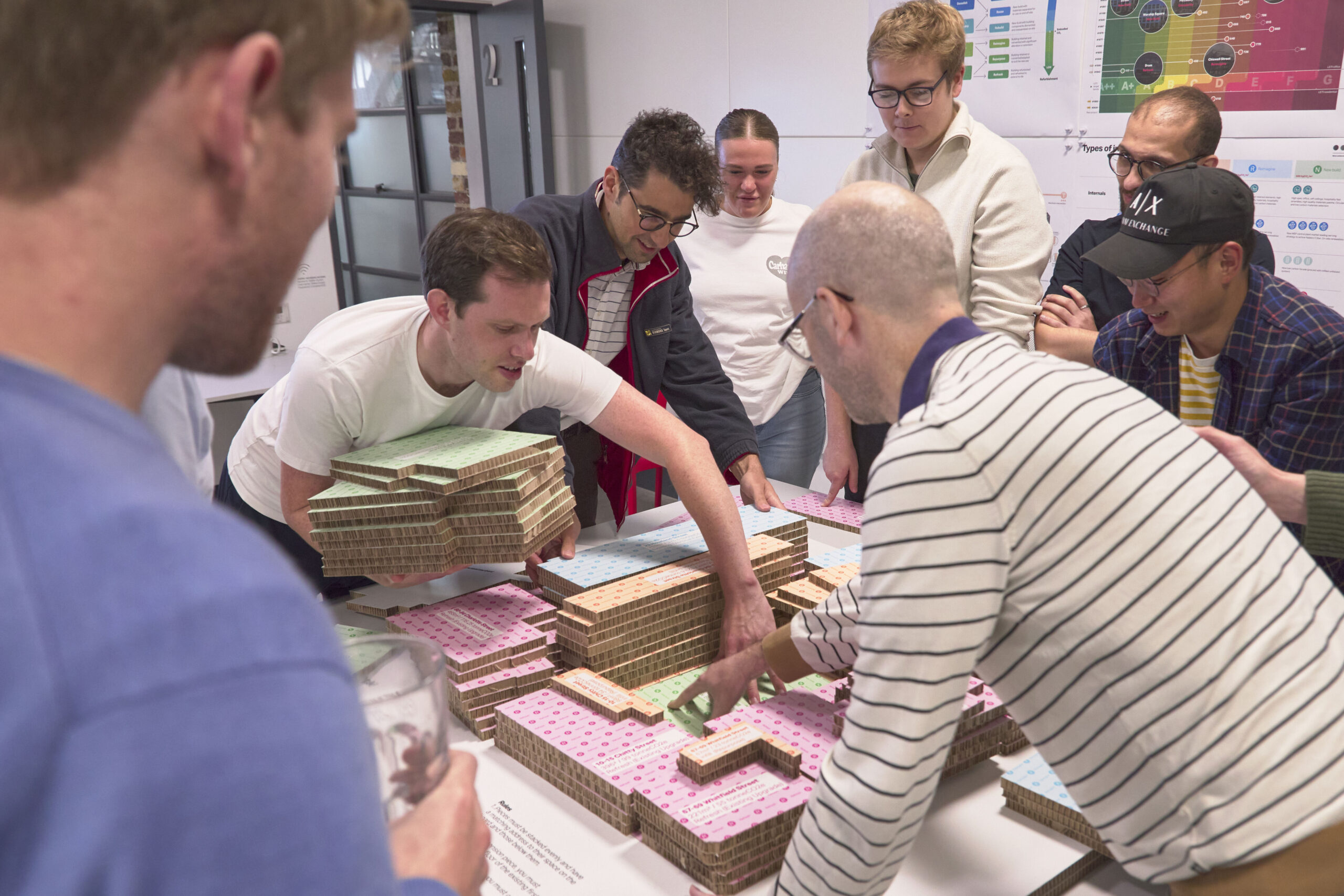
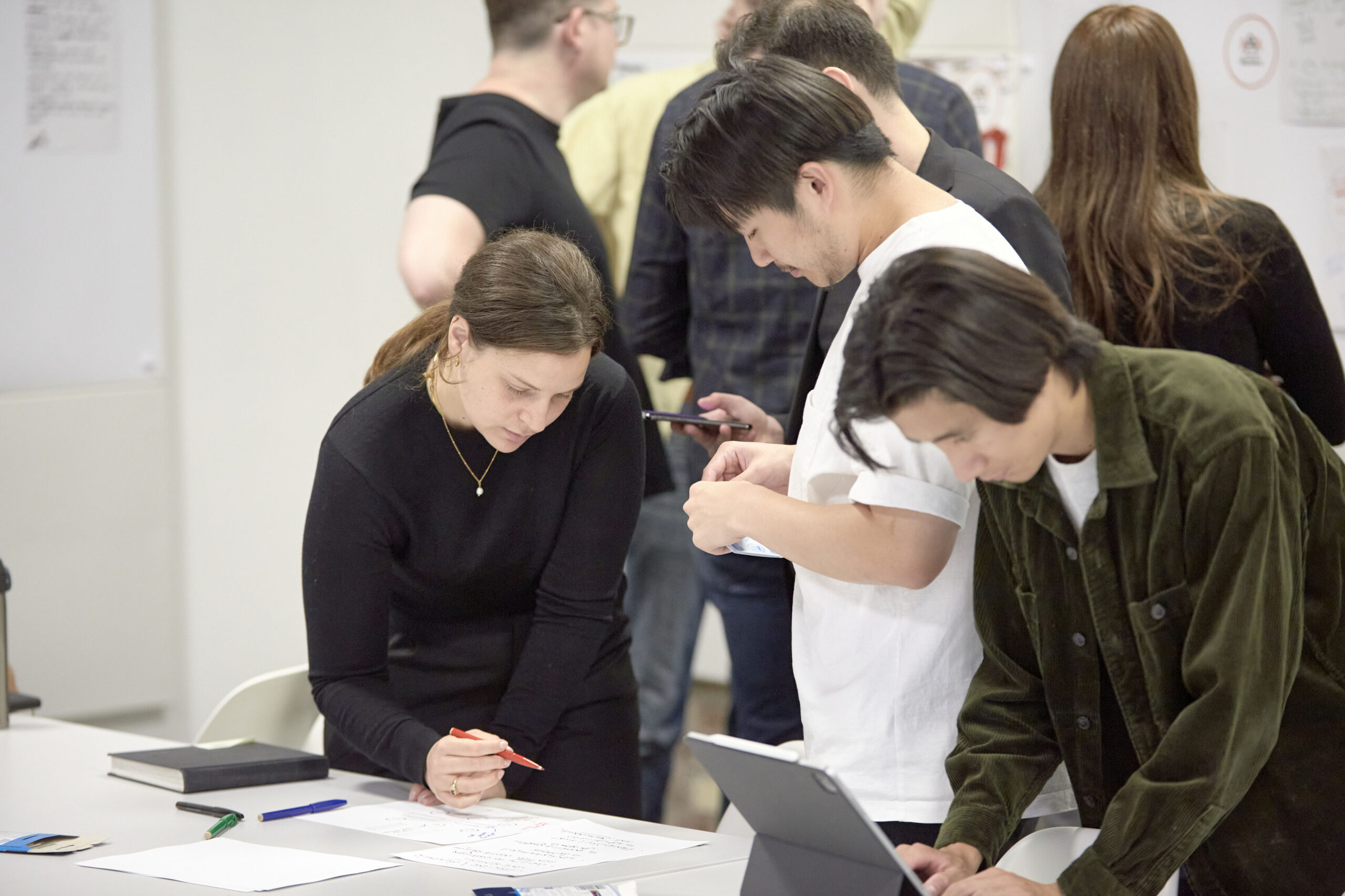


One group, taking a 500-hours approach, conceived an application of bamboo, or perhaps willow depending on the location, intended to provide an extra layer of weather insulation to a roof or interior, like leaves on a tent. They proposed an ongoing process of making/repair carried out in 20-day cycles – a community project that regularly changes hands and encourages ritualistic acknowledgment of its endurance.
A second group took a 500-years approach, exploring the idea of a building with a stone shell and a renewable timber or cork interior. The thinking was that a durable shell would keep the building from being abandoned, while the lightweight, regenerative interior materials could entail user buy-in via low-tech, high-skill craft.
In both instances, the groups gave thought to how the design fragments might contribute to the building’s emotional durability, and the various risks and responsibilities associated with the proposed kit of parts, along with its benefits.
Circular economy
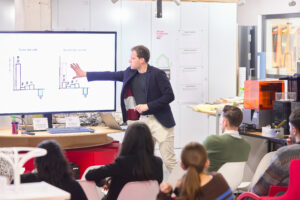
Make’s sustainability lead, Oliver Hall, led a workshop on the merits of the circular economy, starting with a presentation with input from fellow Maker Graham Longman. He started by defining a true circular economy, in which a material or component “never goes in the bin,” compared to a recycling economy (“use it a few times and then bin it”) and a linear economy (“straight in the bin”).
From here, we heard about early architecture as a story of re-use, with historical examples of building components repurposed in creative ways. This includes mausoleum stones reused to construct castles, parts of demolished cathedrals reused in grand country houses, and even materials from deconstructed empire fleets reused for new buildings, such as the ship timber that forms the frame of London’s Liberty building.

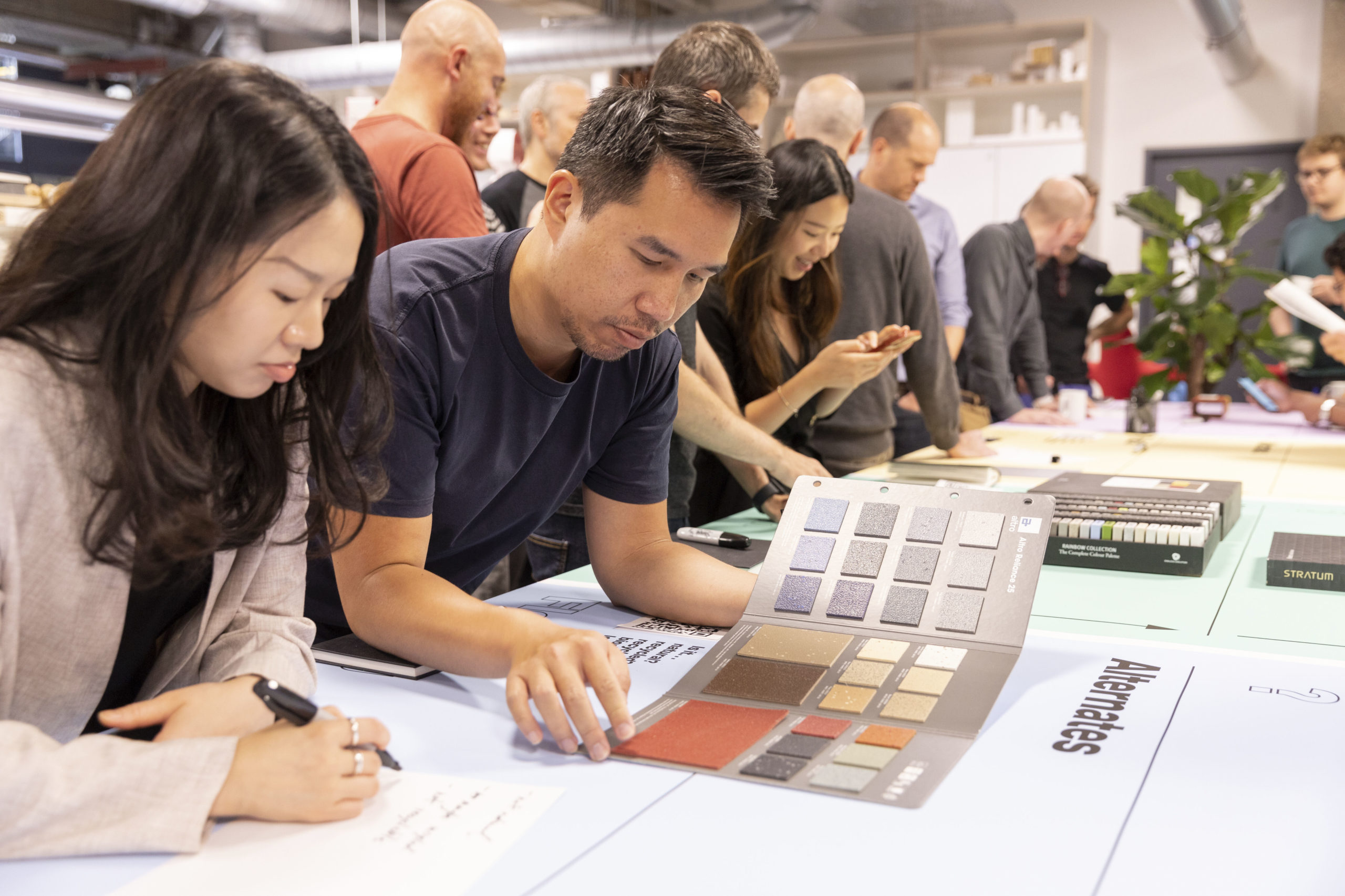
Is it possible to get back to a place where every building component could be reused? Is there, for example, scope for a back market to sell refurbished components like smartphones? These were questions posed to us as we gathered in groups to consider re-use, repair and regeneration across existing projects at Make.
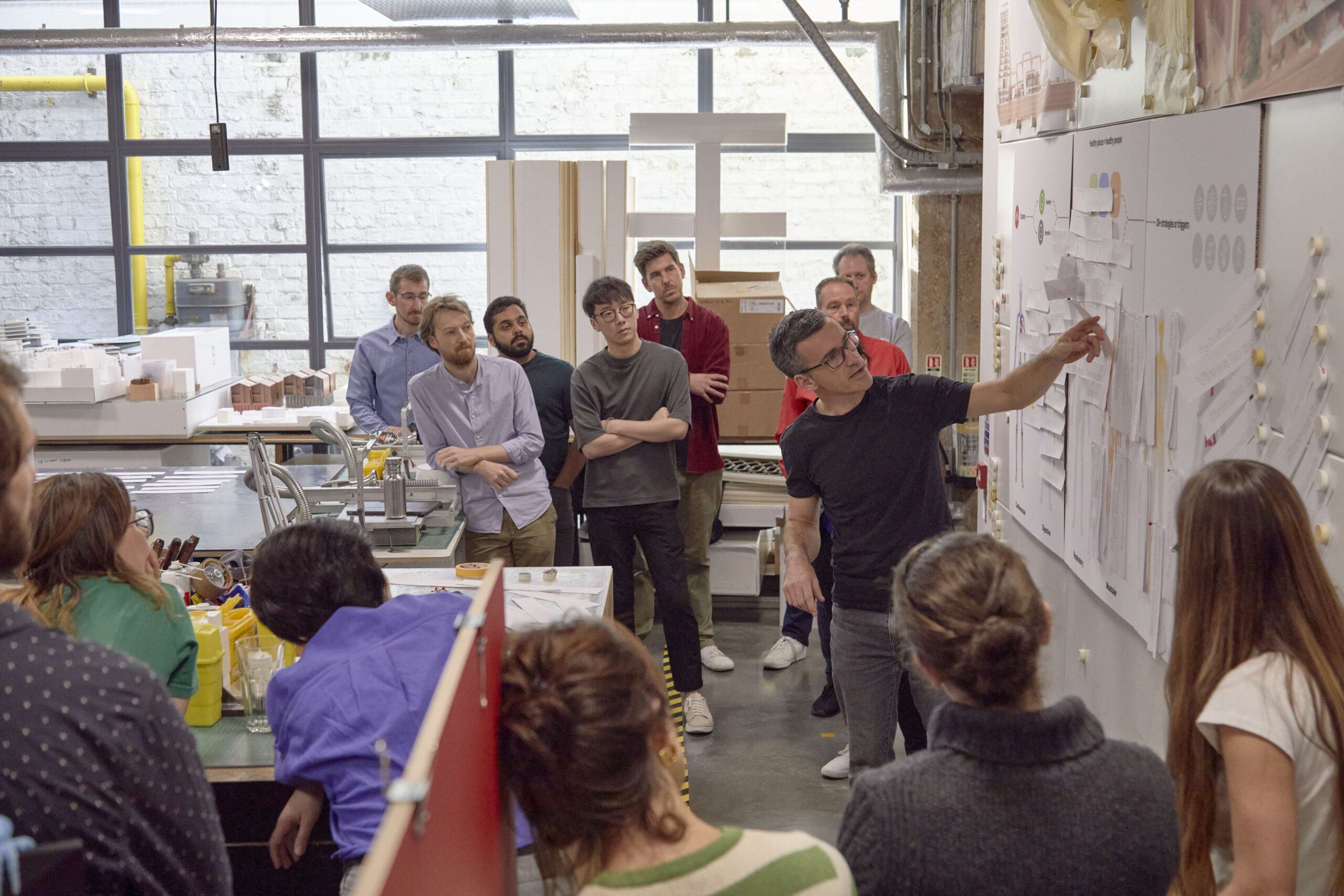
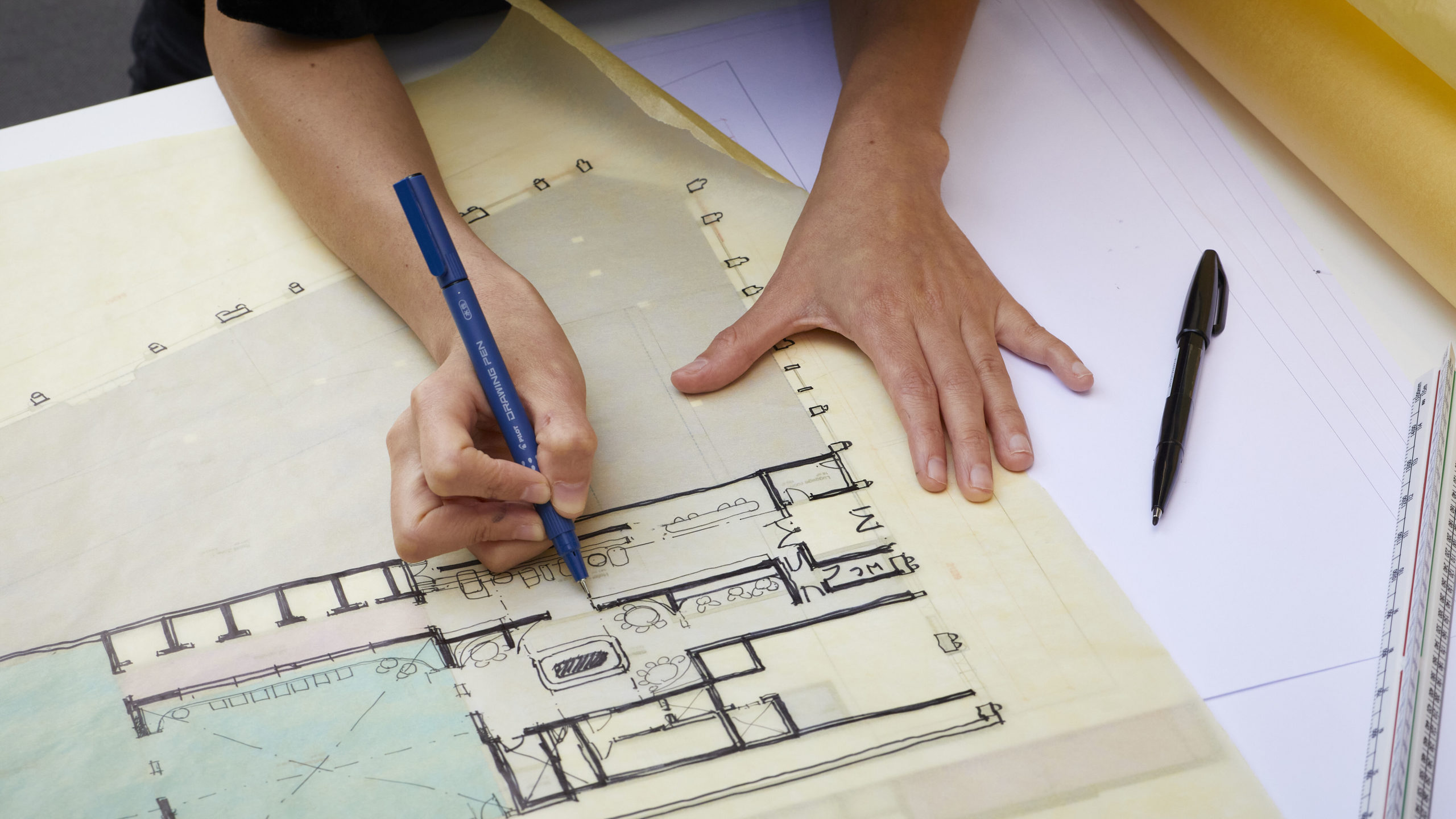
Tasked with applying circular economy principles across one of five layers of a project – site, structure, services, skin or interior – we took to the drawing board.
One interesting group discussion revolved around the concept of spolia (the repurposing of old stones for new construction) in relation to The Smith, where Make is dismantling, repairing and reconstructing an existing stone facade and delivering a new office building within it – an option that provides an embodied carbon reduction of 16% compared to a straightforward facade retention.
Make's carbon footprint
It’s become a tradition to round off Make Neutral Day with an update from Maker Peter Greaves on our latest annual carbon footprint. We’ve proudly reduced our emissions year on year since we began tracking them in 2021, and we update our carbon reduction plan annually to ensure we continue doing so.
Peter discussed how our latest annual carbon footprint for scopes 1, 2 and 3 represents a 33% reduction on figures from the previous year, achieved through adjustments to our lighting and air conditioning systems; a stricter approach to turning off computer monitors when not in use; and minimised physical travel, including international travel.

Every year we offset 110% of our emissions through a verified carbon offsetting scheme to achieve net zero total emissions, but our aim is to further reduce our emissions over time to the lowest possible, thereby reducing our reliance on offsetting.
Our latest carbon plan, published in late 2025, projects that our carbon emissions will decrease over the next five years to below 100tCO2e by 2030, representing a total reduction of 50% since 2021.
Read more here.
This is the second of two blogs recapping the discussions, workshops and takeaways from our latest Make Neutral Day. Read the first installment here.