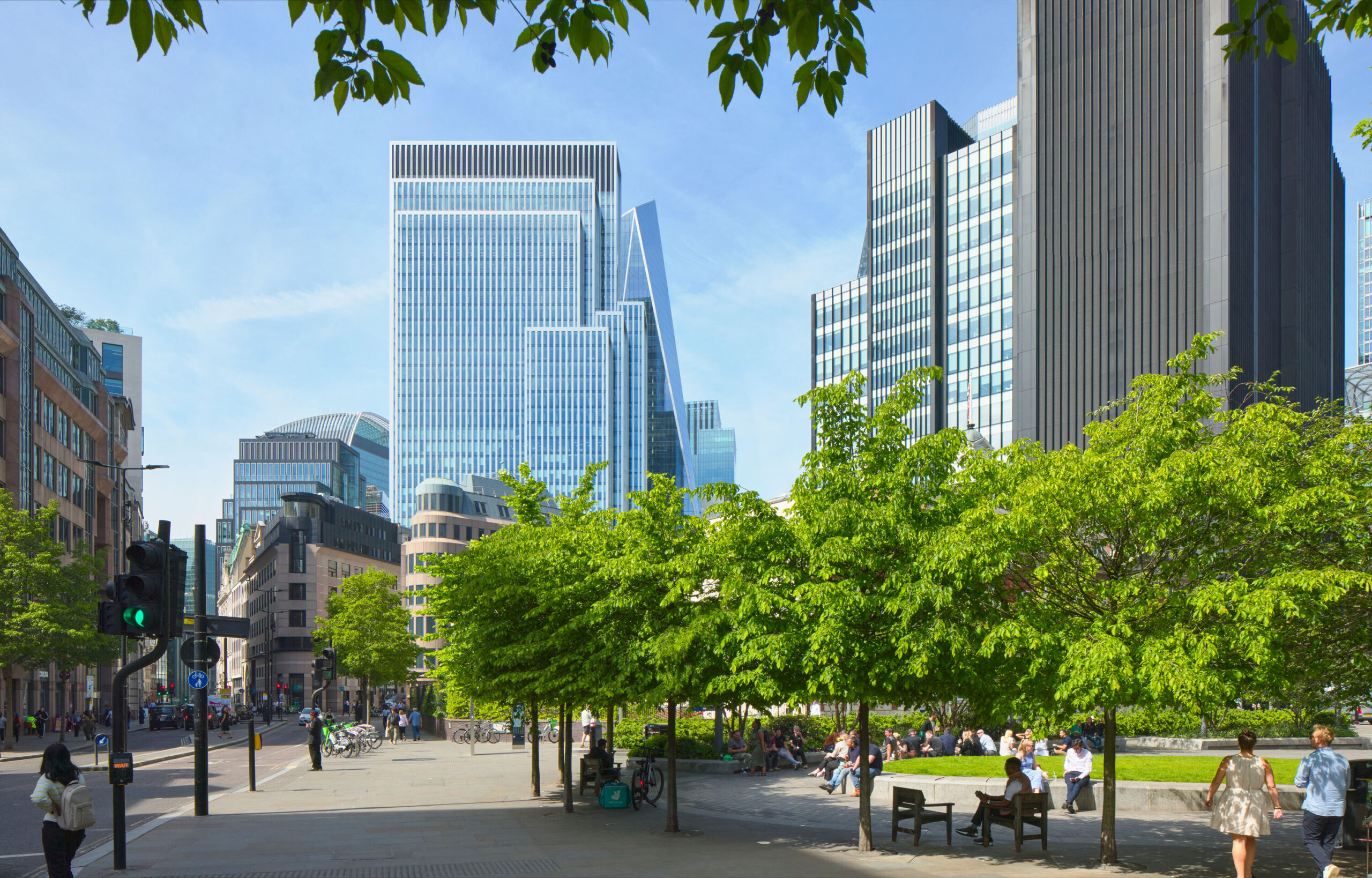
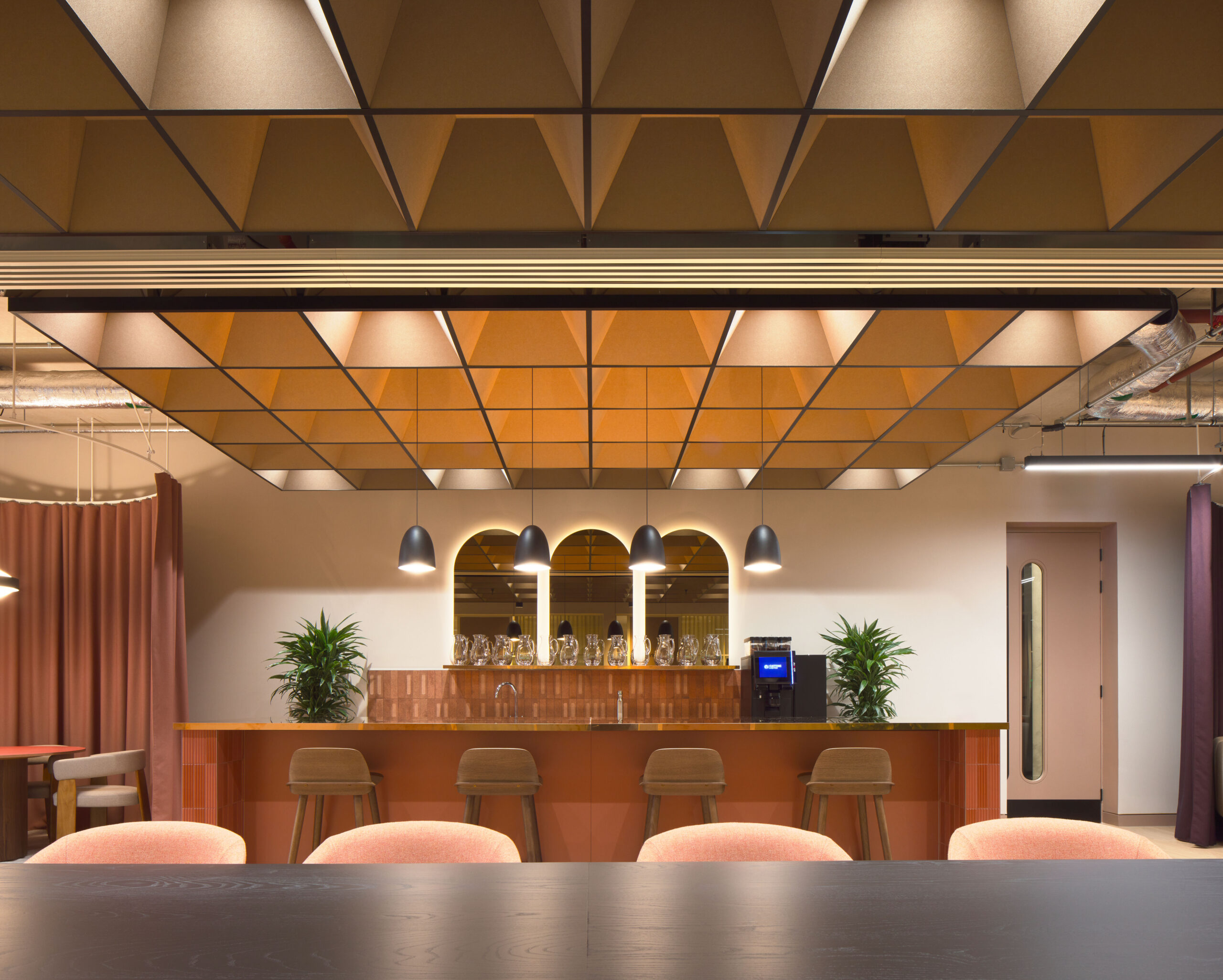
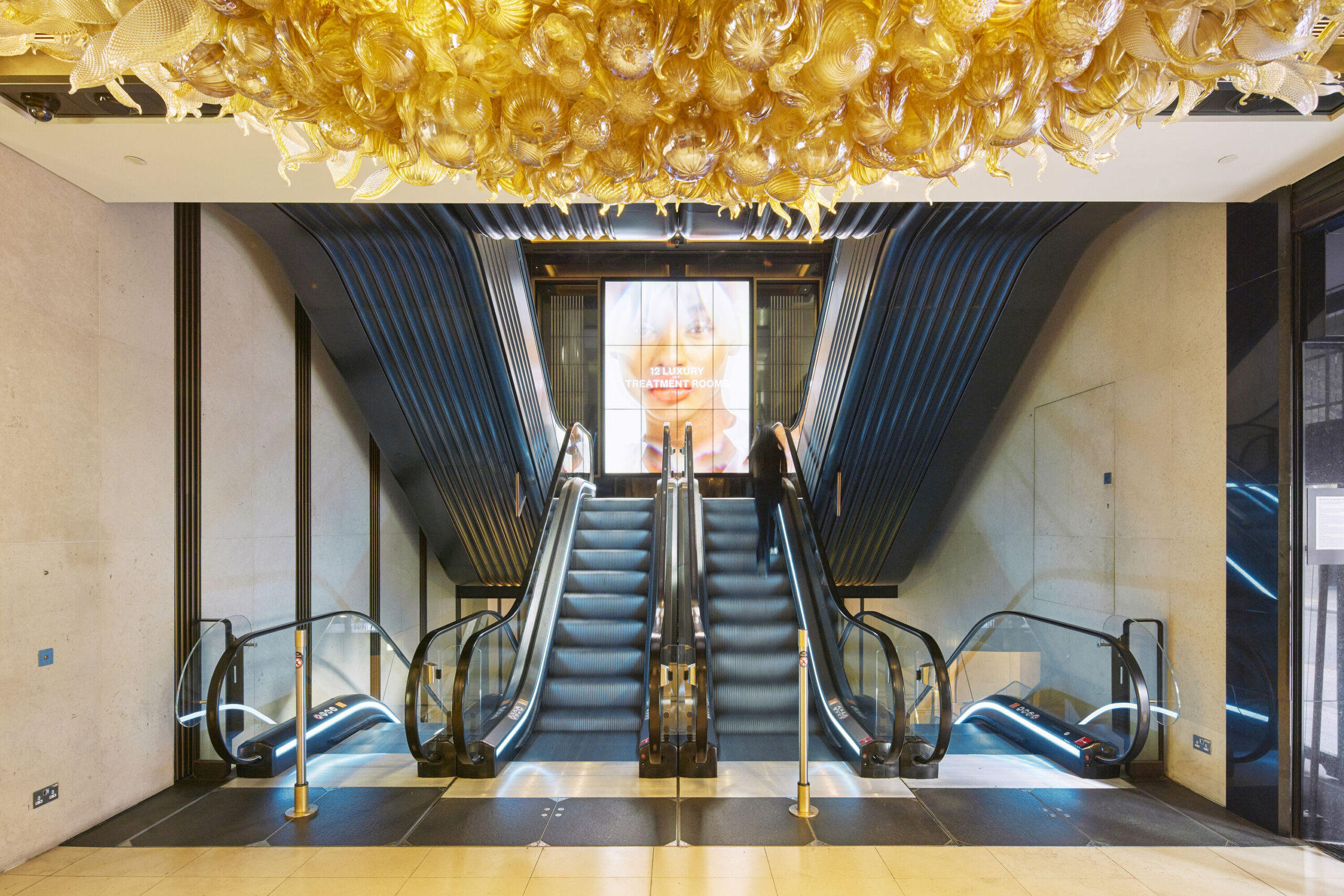
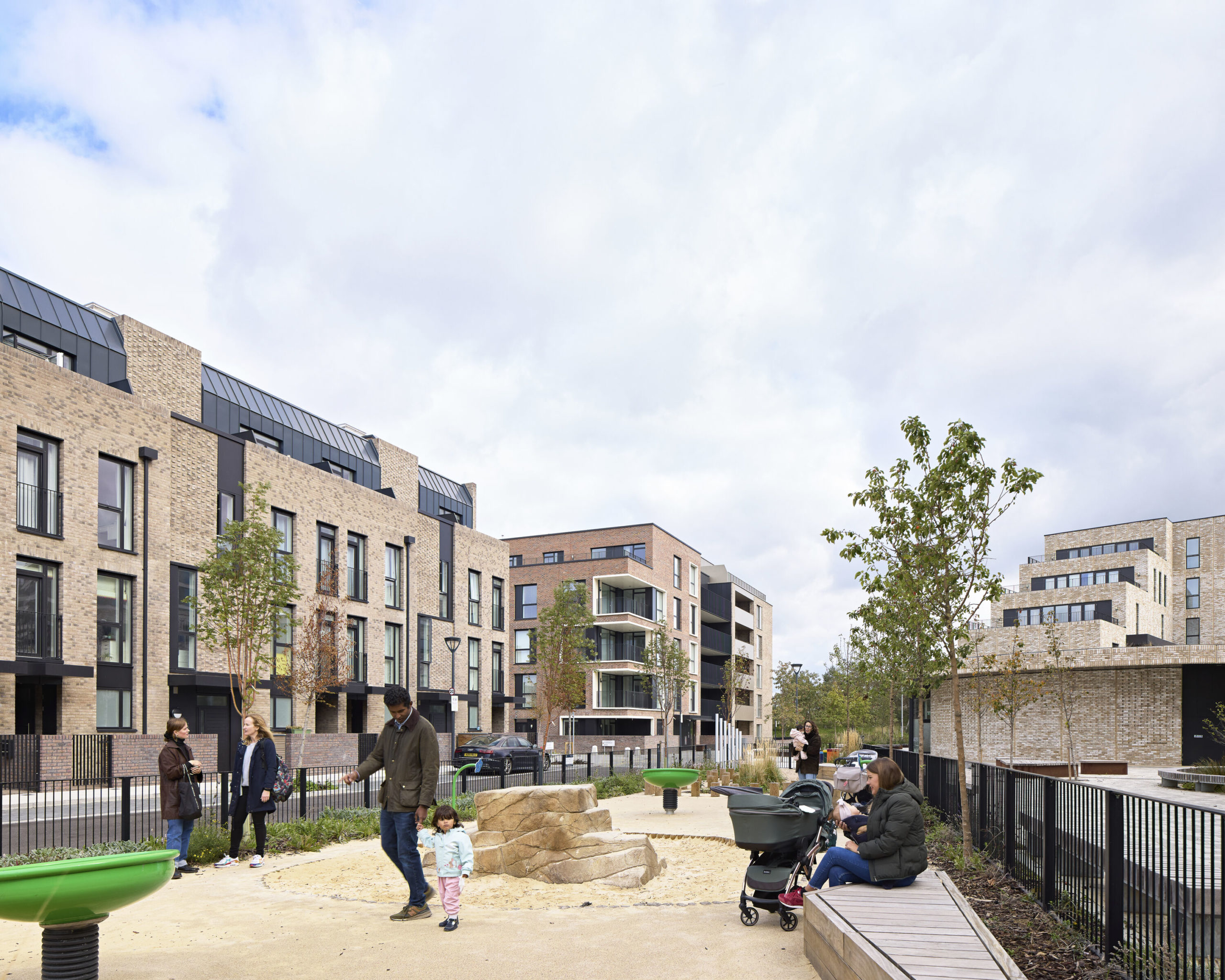


When the UK Parliament was debating how to rebuild the Commons Chamber after it was bombed in the Second World War, Winston Churchill convinced them to retain the chamber’s adversarial rectangular arrangement rather than changing it to the semi-circular design preferred by some assemblies. As part of his argument, he noted: “We shape our buildings, and afterwards our buildings shape us.”
So how would we like our buildings to shape us? How might we shape our designs to achieve this? Answers vary from project to project, due to our specific aspirations for a space and to the spatial psychology supporting those aspirations.
Spatial psychology draws from a wide range of social science disciplines, including environmental psychology, anthropology, urban psychology and neuroscience. It’s a study of human actions and reactions, using systematic observation and experimentation to understand the ‘how’ and ‘why’ behind people’s behaviour in and experience of different environments. By harnessing social science research and its processes, models and measures, we can drive the design of spaces and environments that support social aspirations.

Spatial psychology approaches
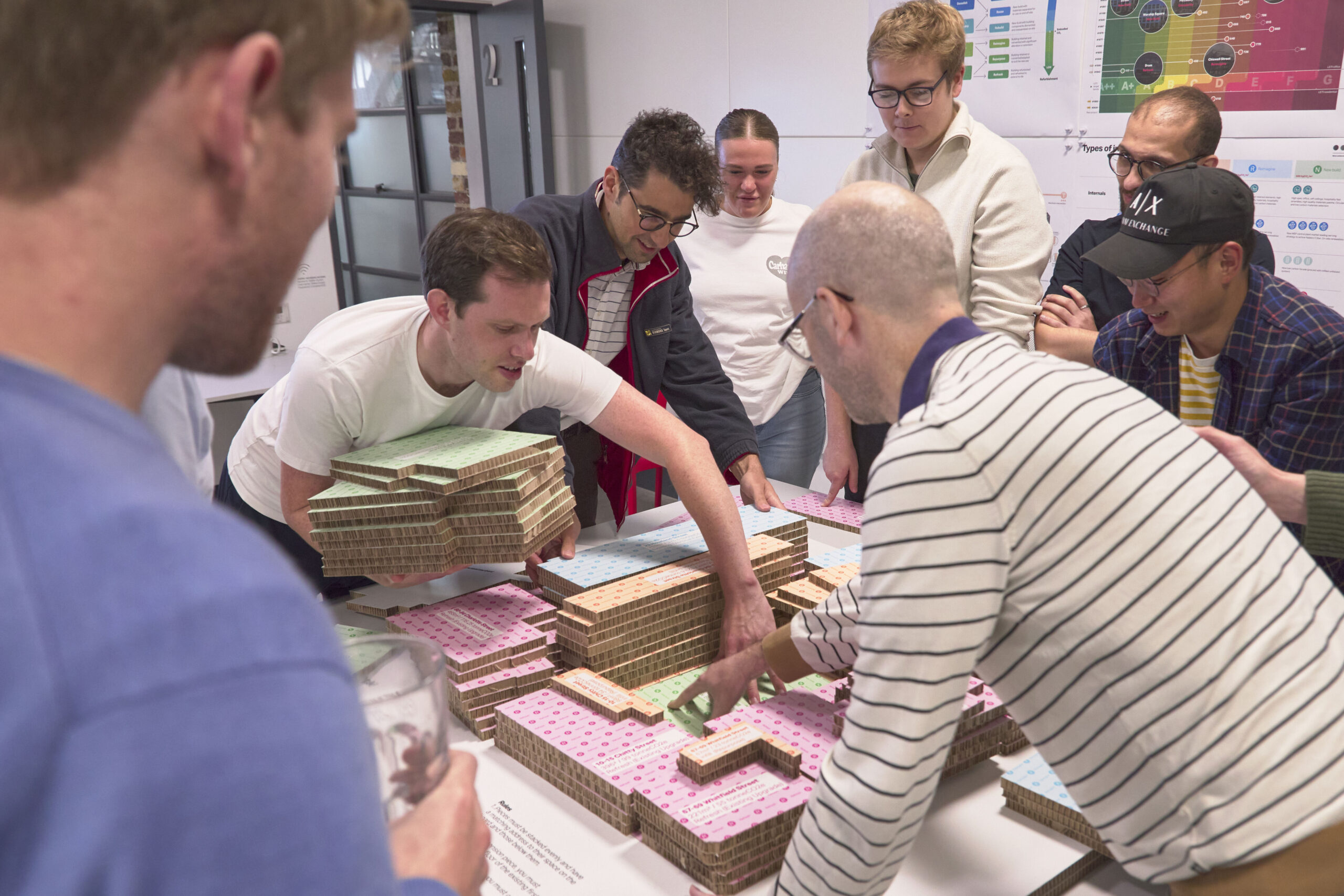
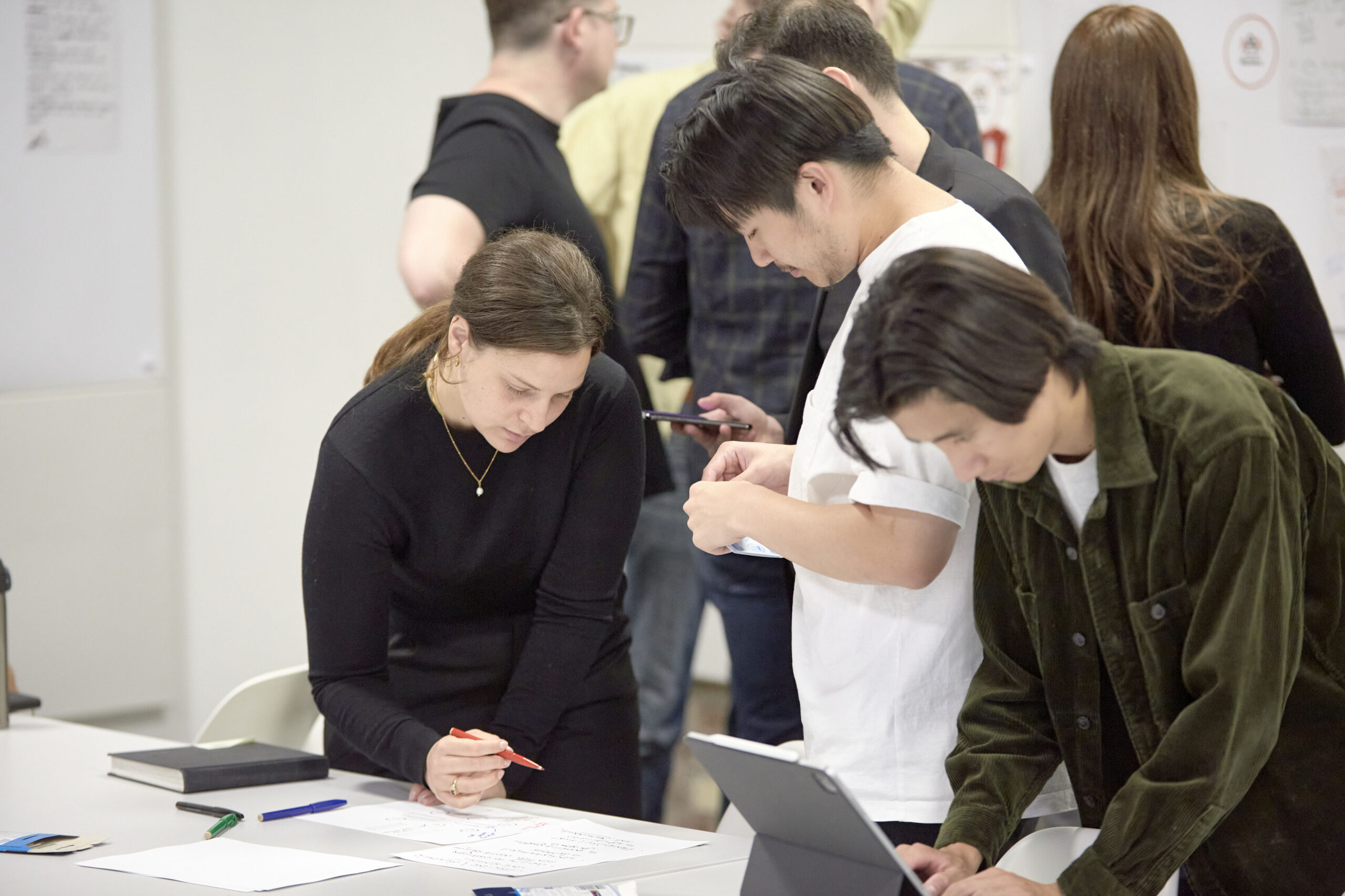
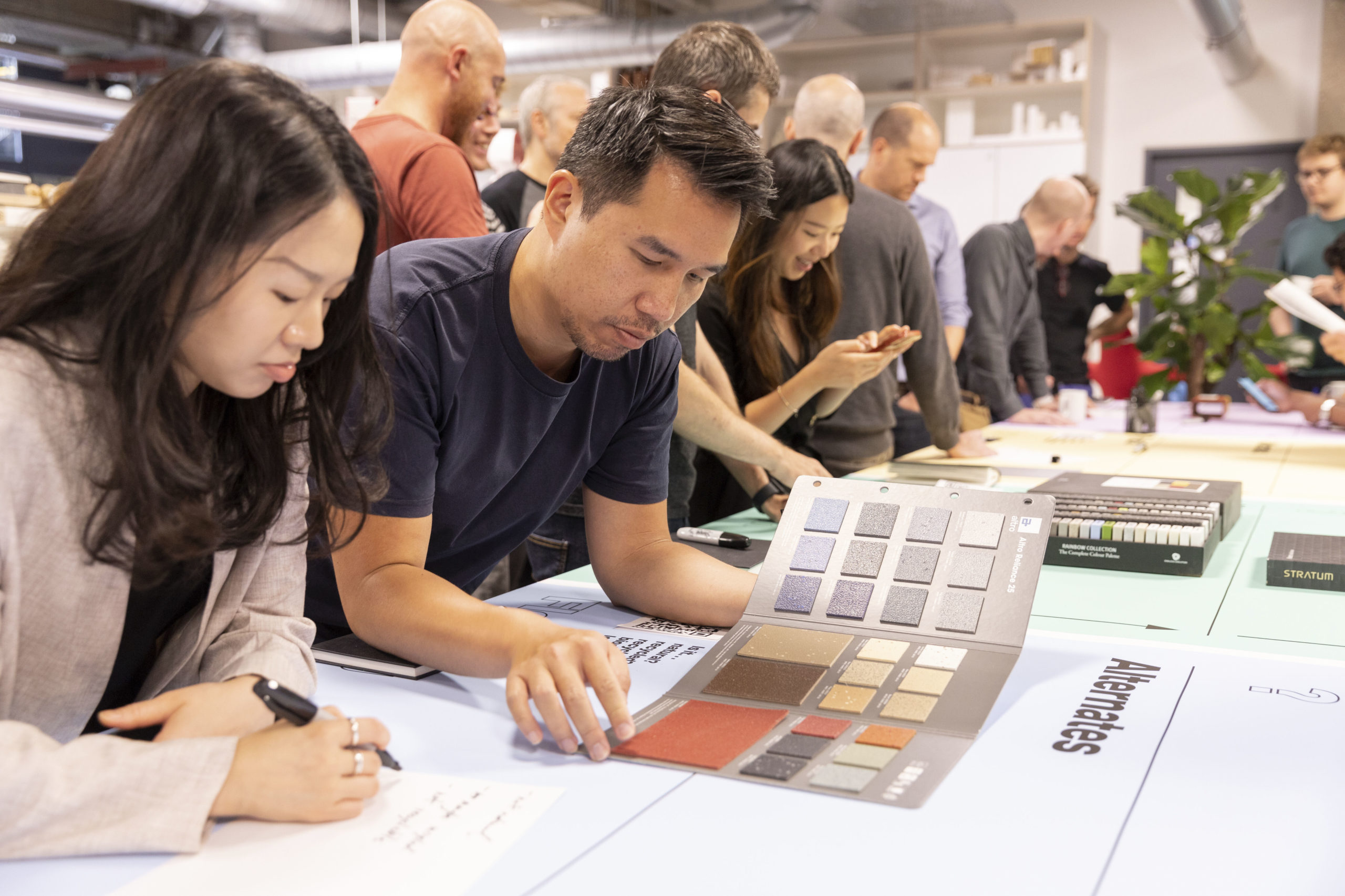
These processes involve systematic engagement with, and observation of, stakeholders.
Because a project’s aspirations may not be physical – for example, a workplace design that embeds a sense of belonging among staff – we adopt scientific social models when appropriate to help translate intangible aims into physical spatial approaches. Such models are key, as they help us pinpoint certain aspects we might influence to help meet the overall goals of the project. They allow us to prioritise and understand the limitations of our influence.
Additionally, we use quantitative and qualitative measures to understand the hierarchy of aspirations and to test the performance of design proposals. The measures used depend on the project, and can vary widely, taking in survey data, computer simulations, biometric measures and more.


Stay tuned for future instalments of this blog series, which will explore how spatial psychology can support the aspirations of architectural projects across different scales, from building design to urban design.