Planet
As architects we have an ethical responsibility to design for the health of people and our planet. We see the two as inextricably intertwined. That’s why our approach to sustainable design considers the environmental, social and economic factors to be part of a single, interconnected solution. Together with our clients, we’re targeting net zero whole-life carbon design by 2030, with a particular emphasis on embodied carbon.
Make’s six principles of sustainability – Carbon, Environment, Community, Wellbeing, Connectivity and Green economy – are guided by the RIBA 2030 Climate Challenge, the LETI Climate Emergency Design Guide and the UN Sustainable Development Goals. Each principle is associated with KPIs, which we use to assess, benchmark and compare projects.
Make Neutral
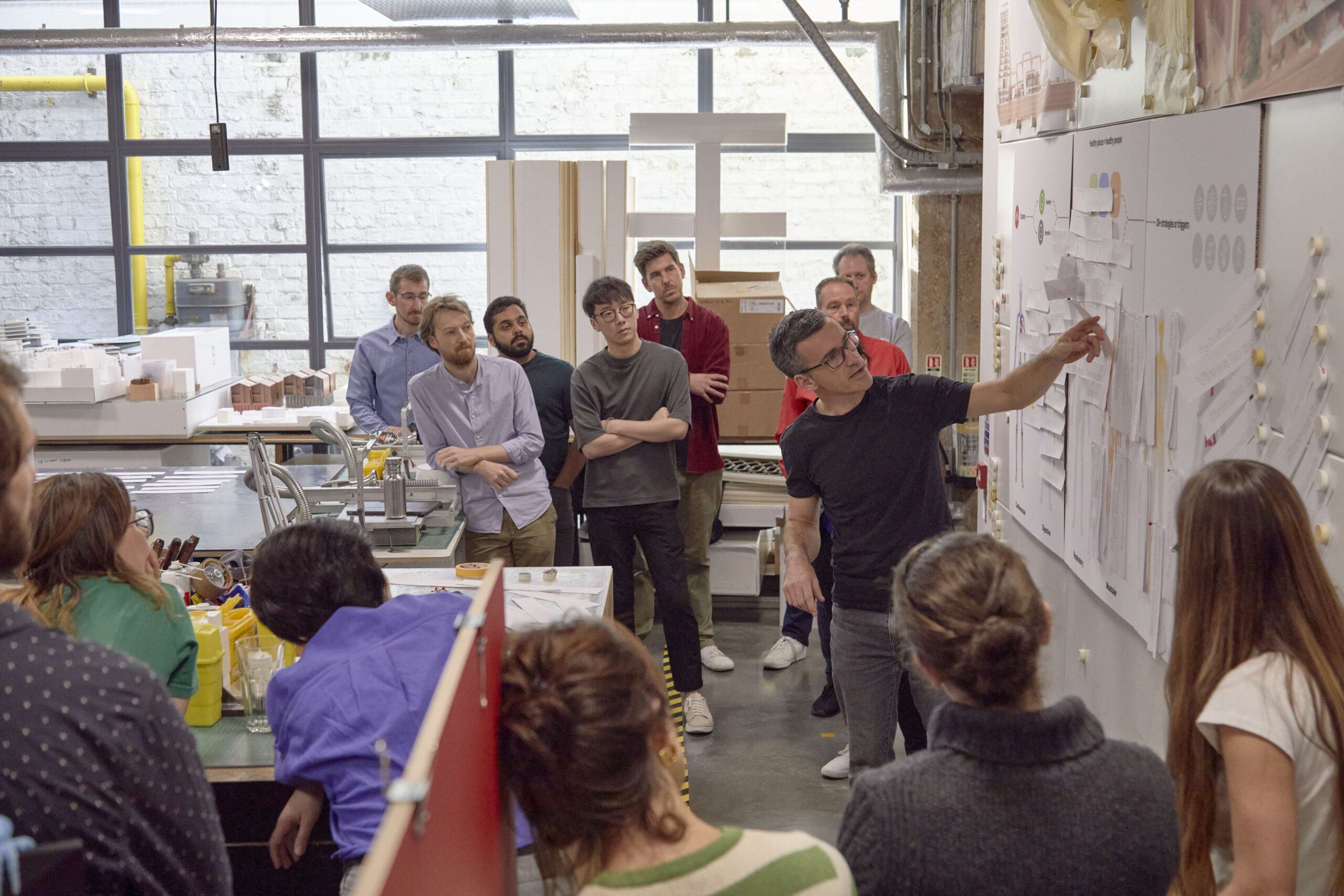
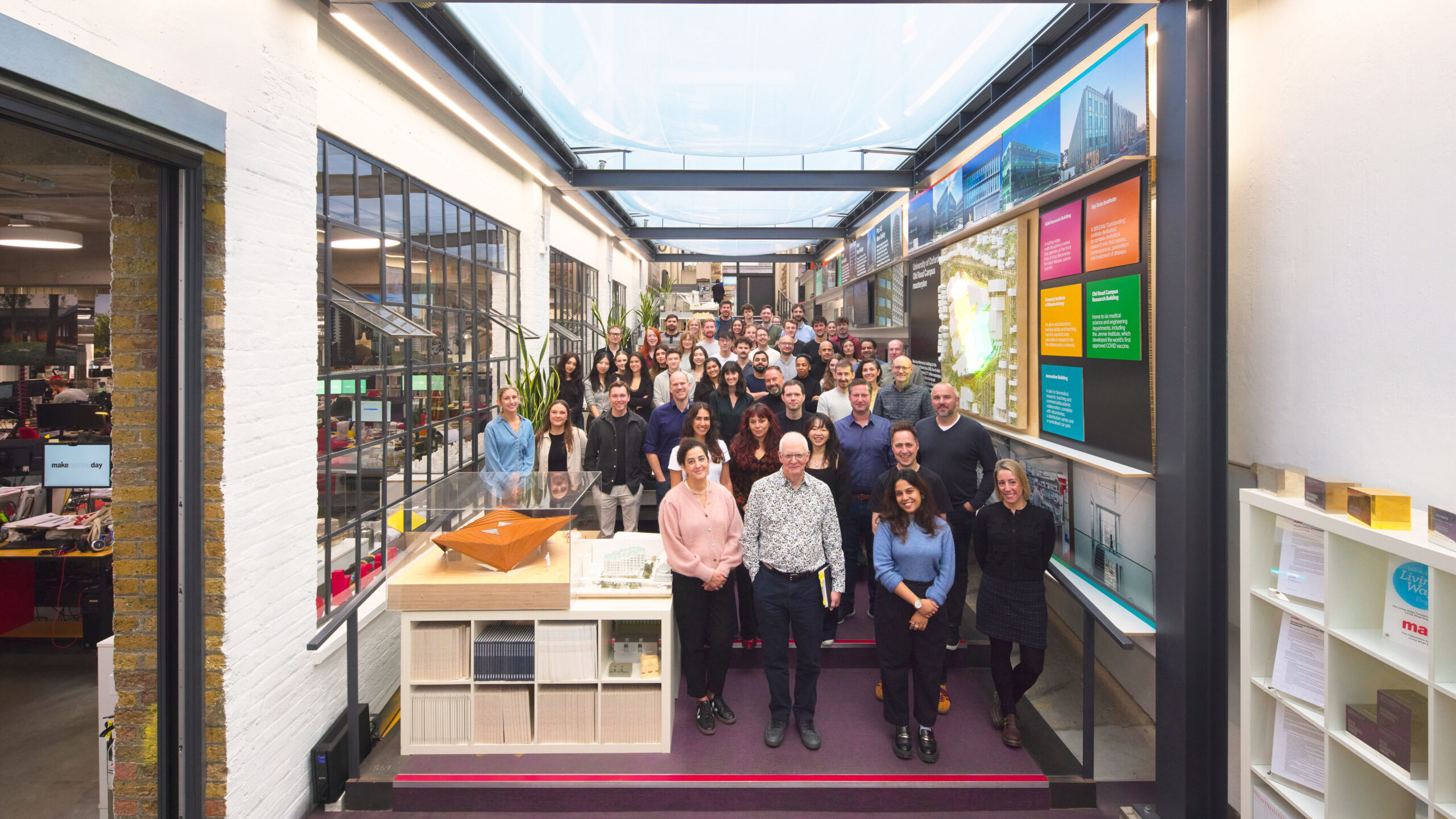
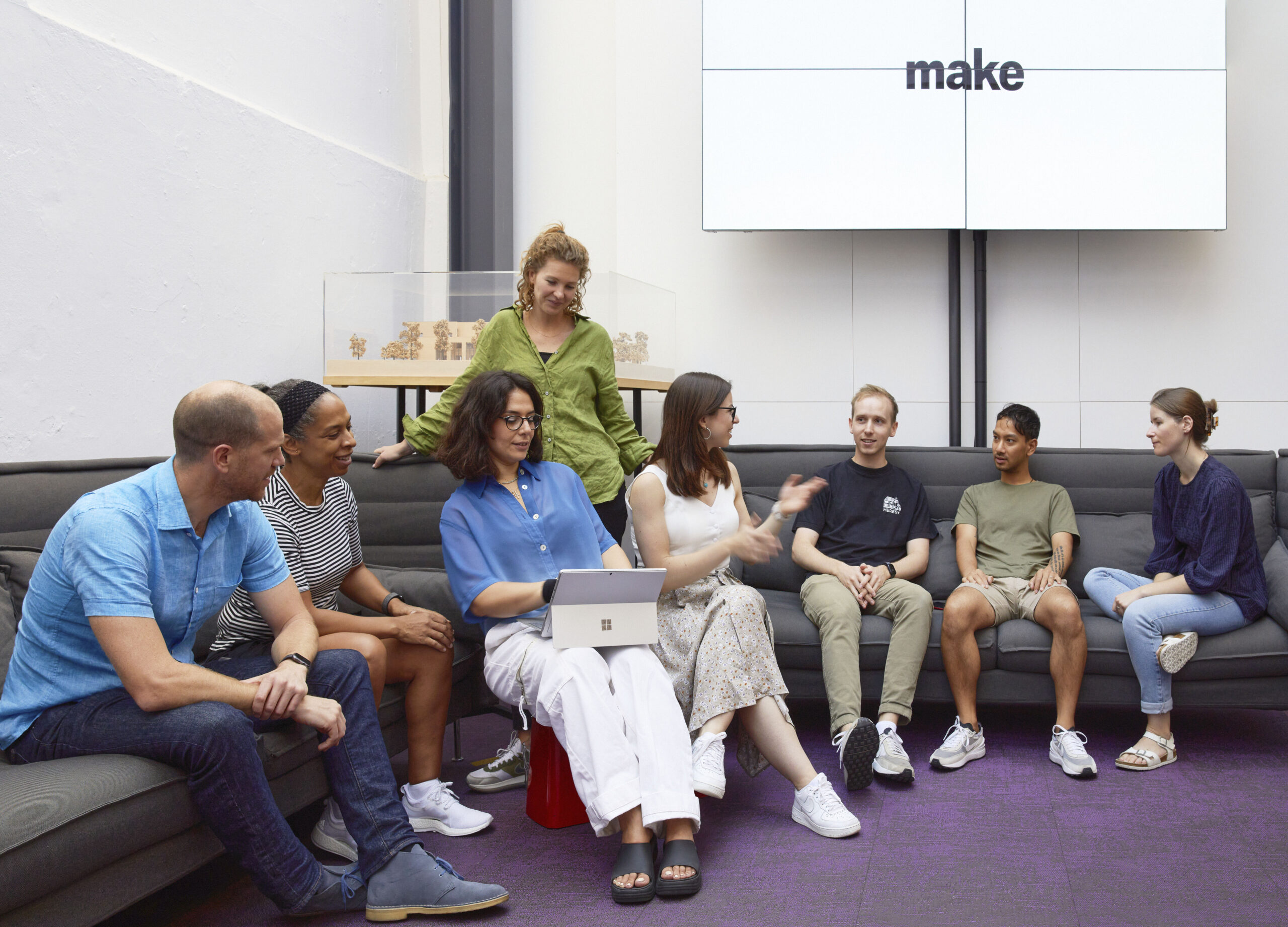
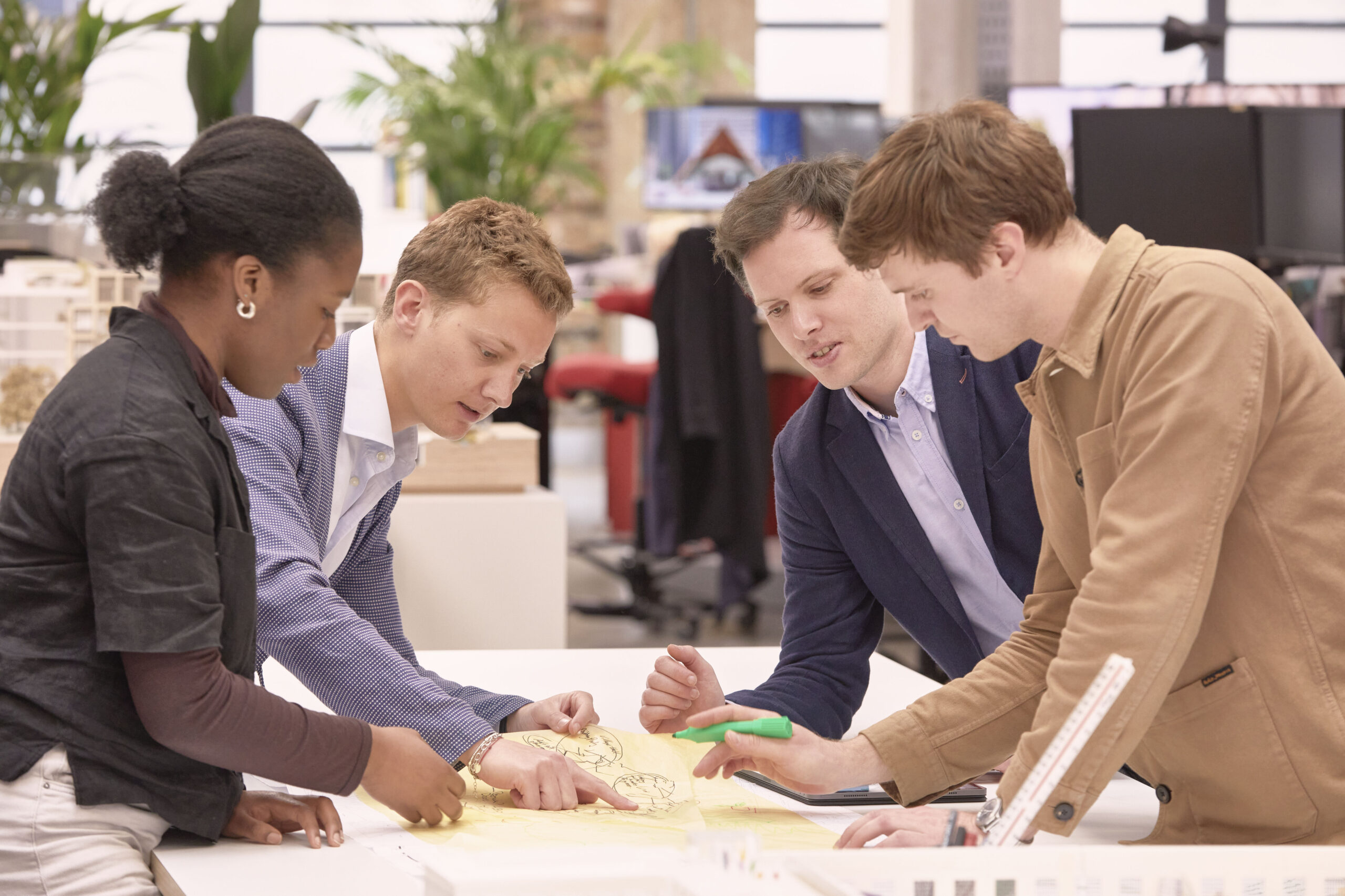
Make Neutral is our in-house cross-sector sustainability working group. Led by a practising architect, with members from all our studios, the group ensures every Maker is equipped with the information, tools and confidence to commit to climate action.
The group meets monthly to discuss current projects, industry best practice, and the technical challenges the climate emergency presents to architectural design. Make Neutral also organises sustainability-focused CPDs, guest speakers, and factory and site visits. Our collective knowledge bank includes certified Passivhaus designers, WELL Building Standard and LEED-accredited professionals, architects, urban designers, and interior architects, as well as representatives from the modelshop, finance, visualisation and communications teams.
In addition to the working group, we have a team of full-time sustainability specialists who serve as a knowledge hub for the wider practice. Guided by Make’s six principles of sustainability, they work with project teams, clients and consultants on sustainable design strategies across all sectors and project typologies. The aim is to holistically address sustainability from concept to completion. This means providing technical support on embodied and operational carbon, benchmarking whole-life carbon emissions, comparing social outcomes, looking at sustainable sourcing of materials, assessing biodiversity impact and more.


Make Neutral Day
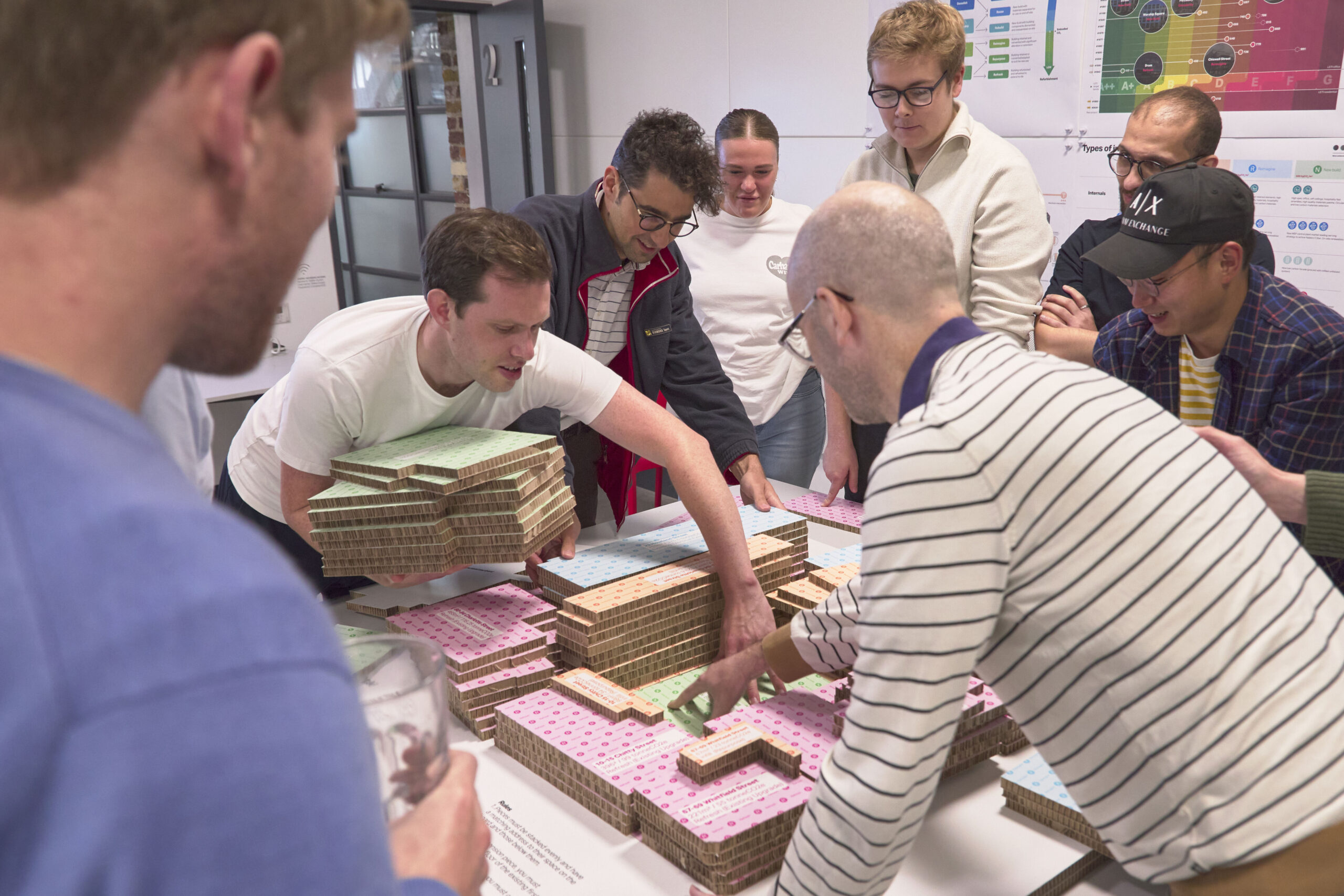
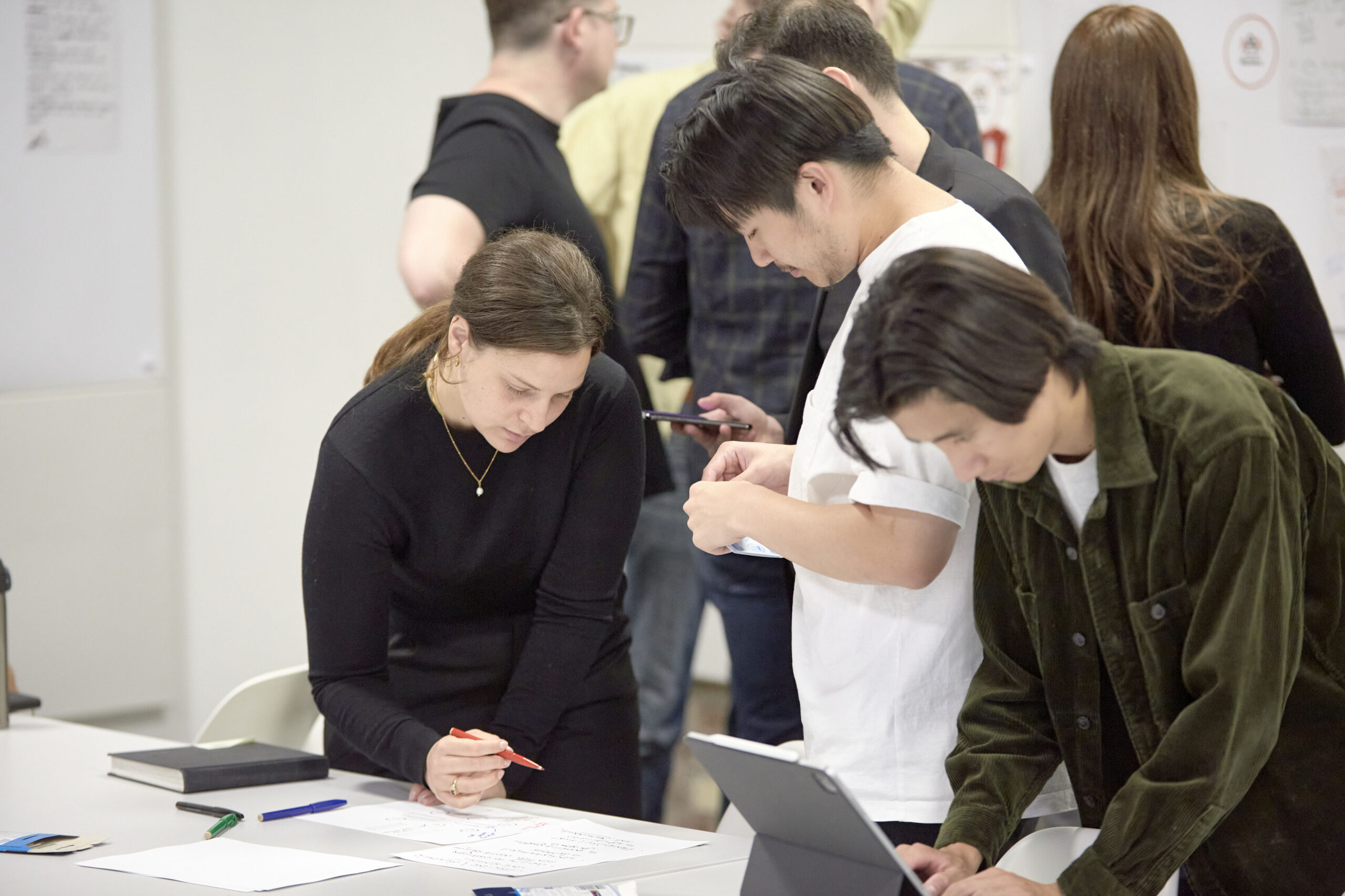
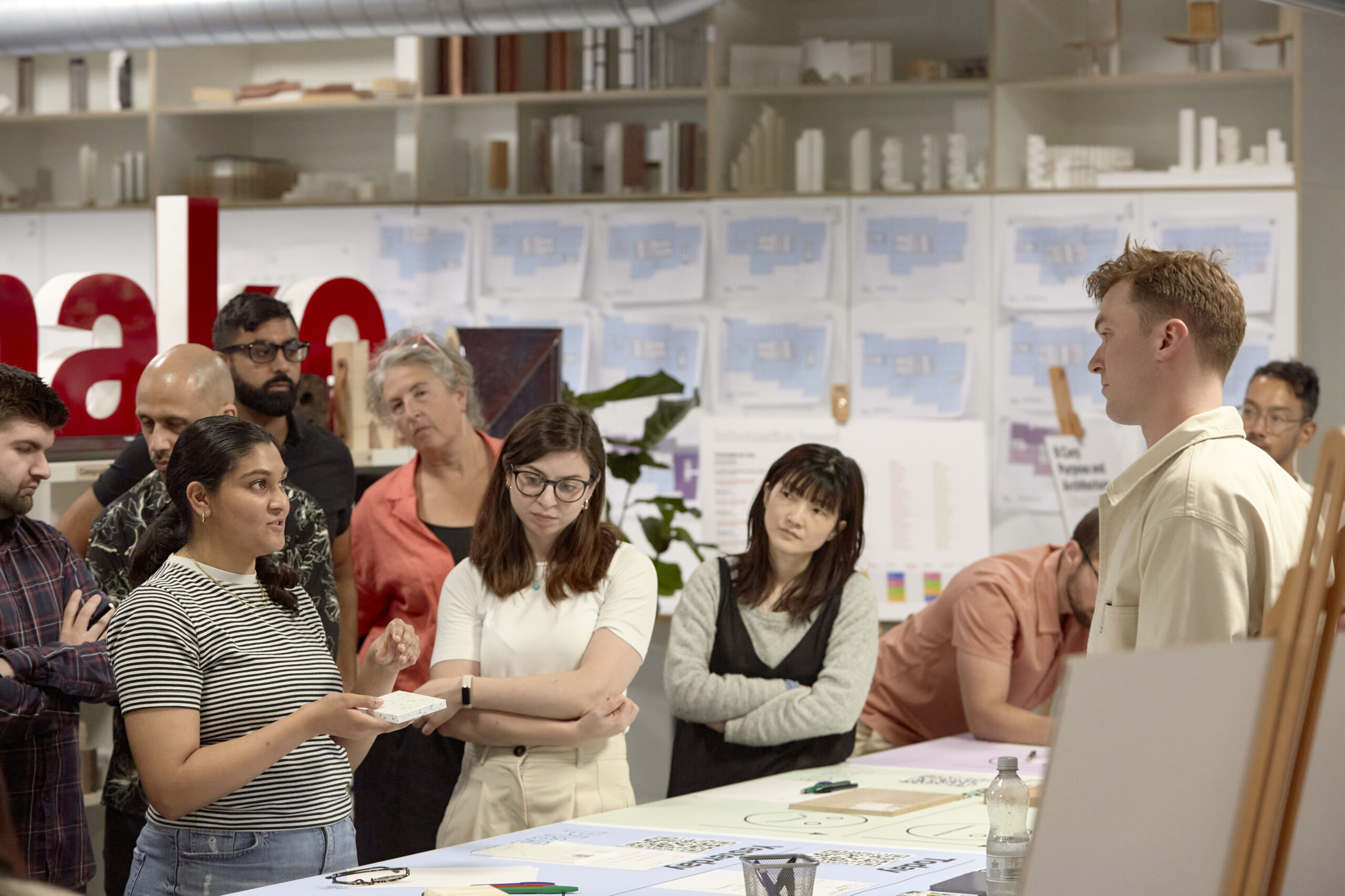
Make Neutral Day is an annual event in Make’s calendar where we down tools for the day and come together to discuss the challenges and opportunities of sustainable design and business.
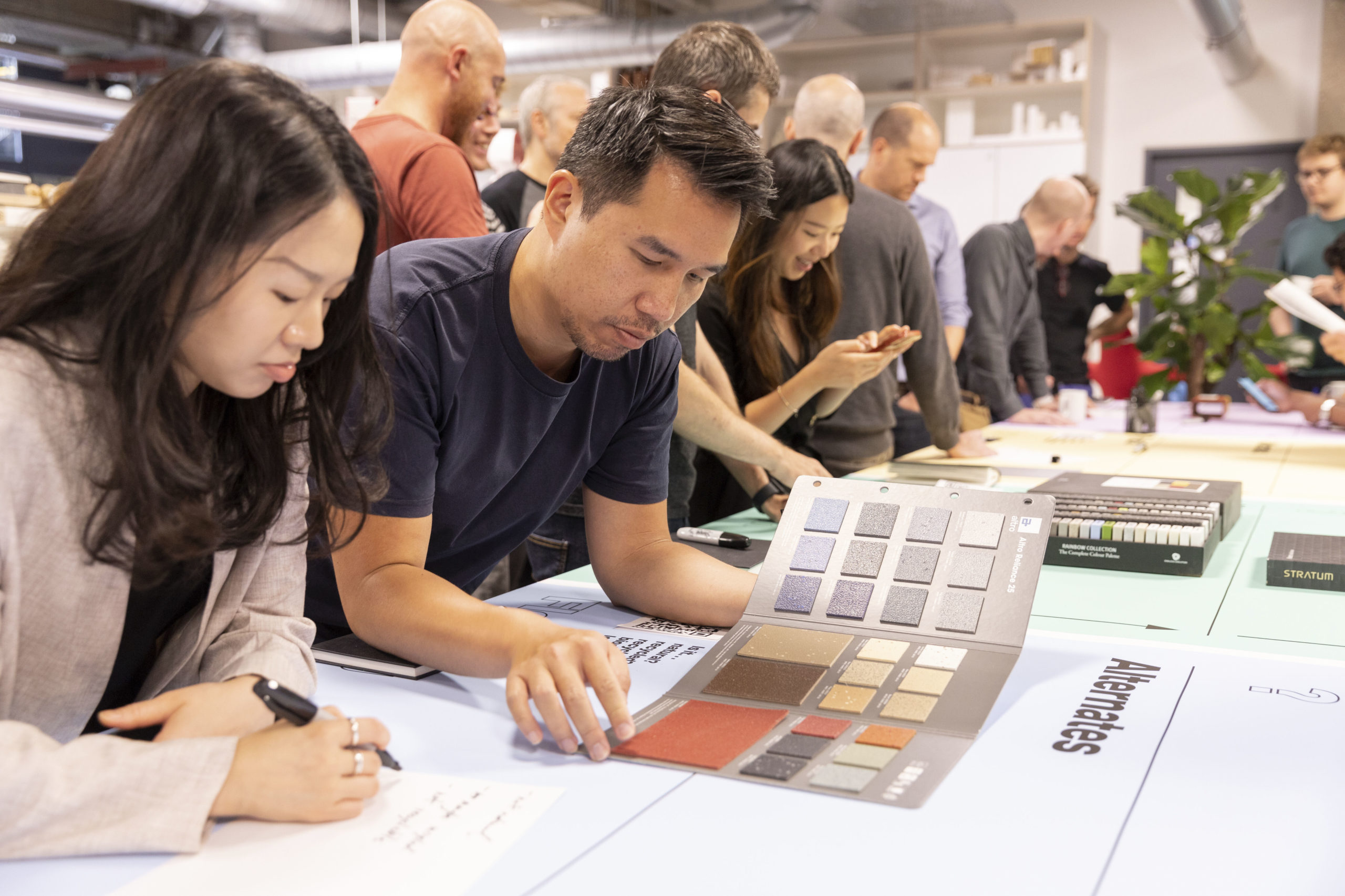
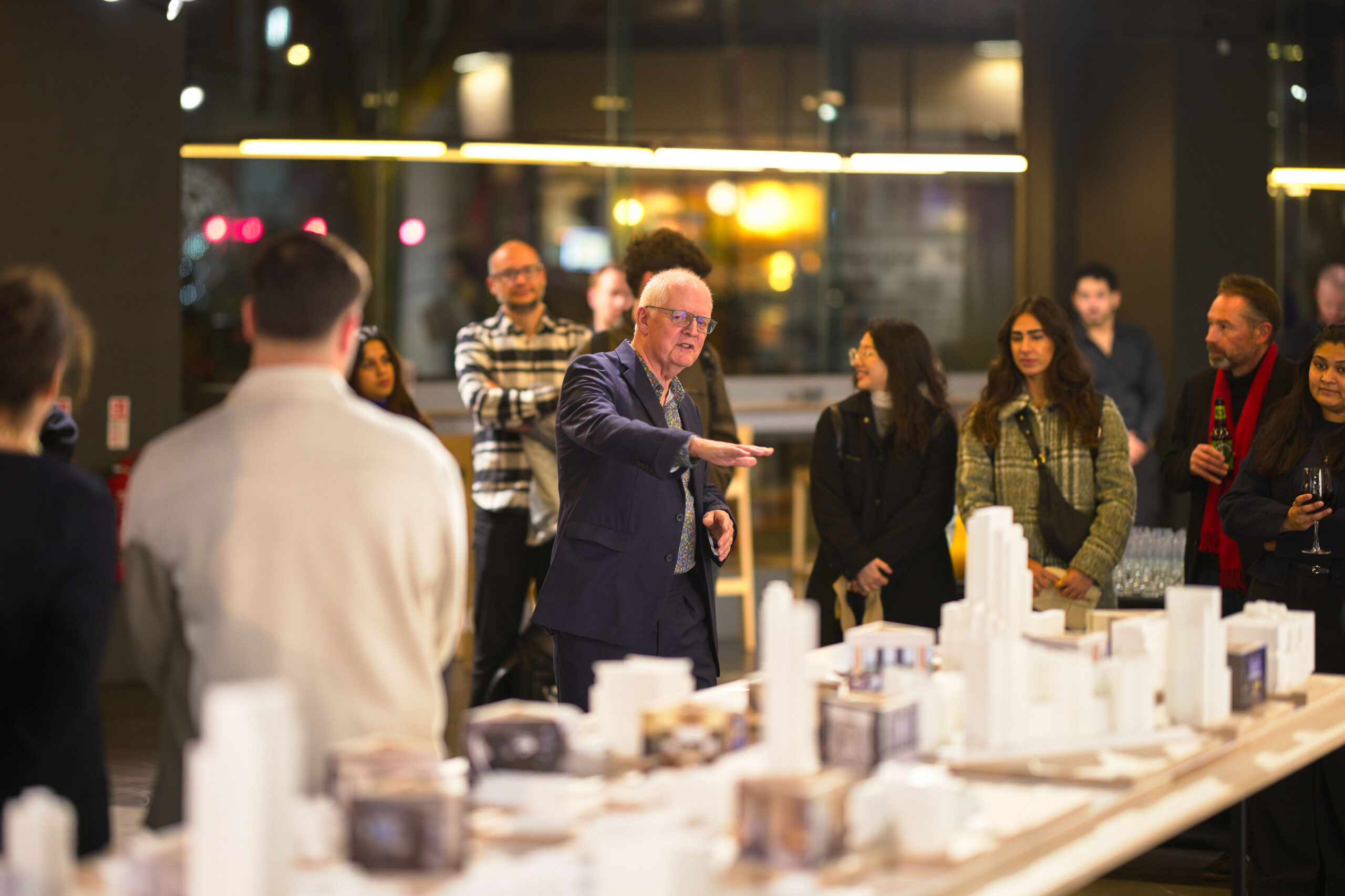
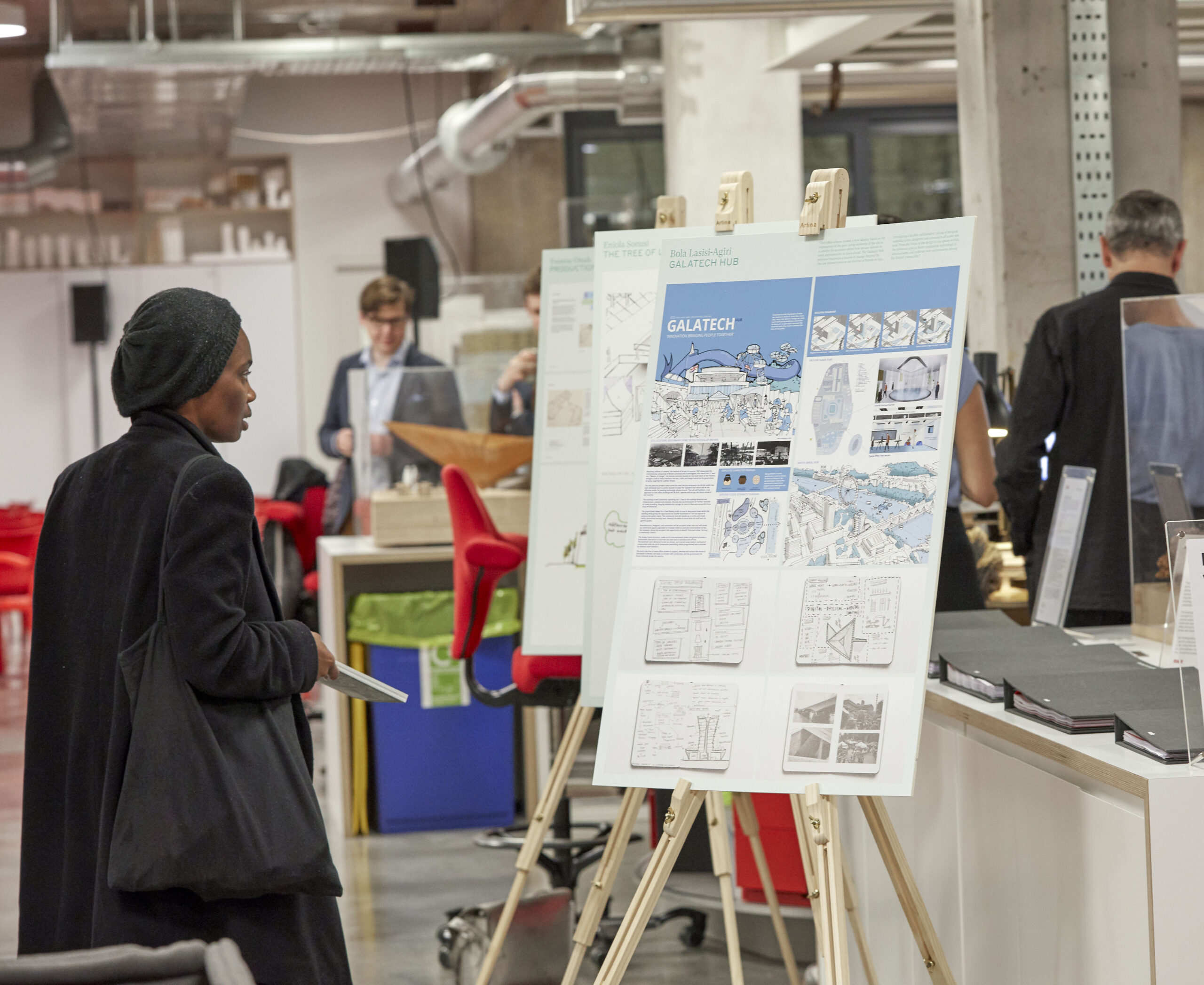
Our interactive Maker-led workshops have covered whole-life carbon, our studio footprint, sustainable materials, creative storytelling, nature-based solutions, social impact and the legacy of our projects. We also welcome guest speakers into the studio for the occasion. Previous guests include Smith Mordak (then Director of Sustainability and Physics at Buro Happold, now Chief Executive of UKGBC), Cecilia Lindström (Research Director at Future Places Studio), and Georgina Nimmo and Olivia Sutcliffe (Savills Earth).
Sustainability Research
Make Neutral collaborates with industry and institutional partners to build a shared knowledge around sustainability – something we believe is crucial to address the climate emergency. We’re currently working on several live research projects funded by UK Research and Innovation (UKRI). We’ve also conducted sponsored university research on the impact of high-density urban retrofit schemes compared to new construction, and we support university student research on everything from thermal comfort to energy performance.
Recent articles reflect on our research, and explore our approach to retrofit, the circular economy, and the carbon intensity of building facades in construction.
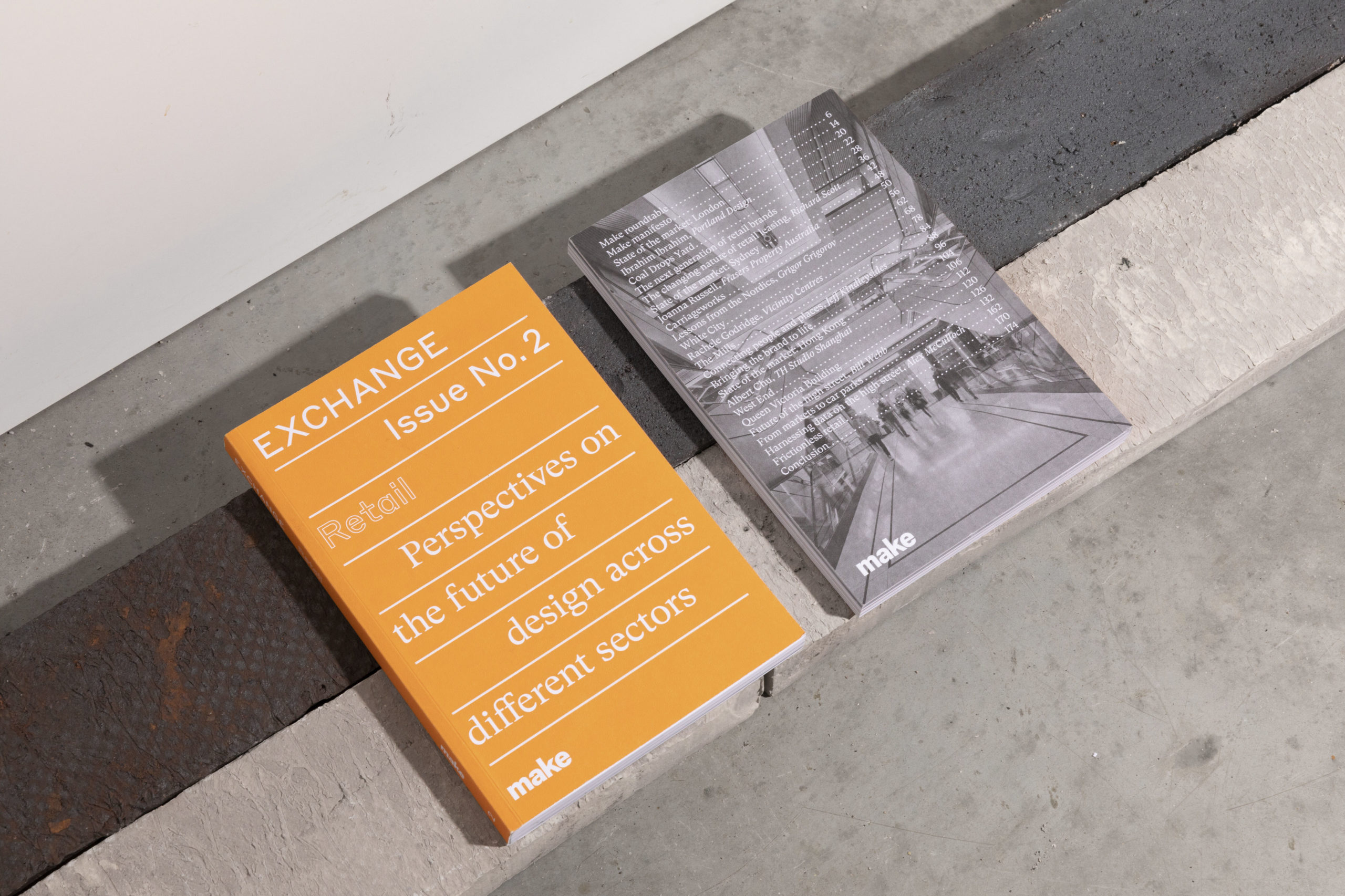
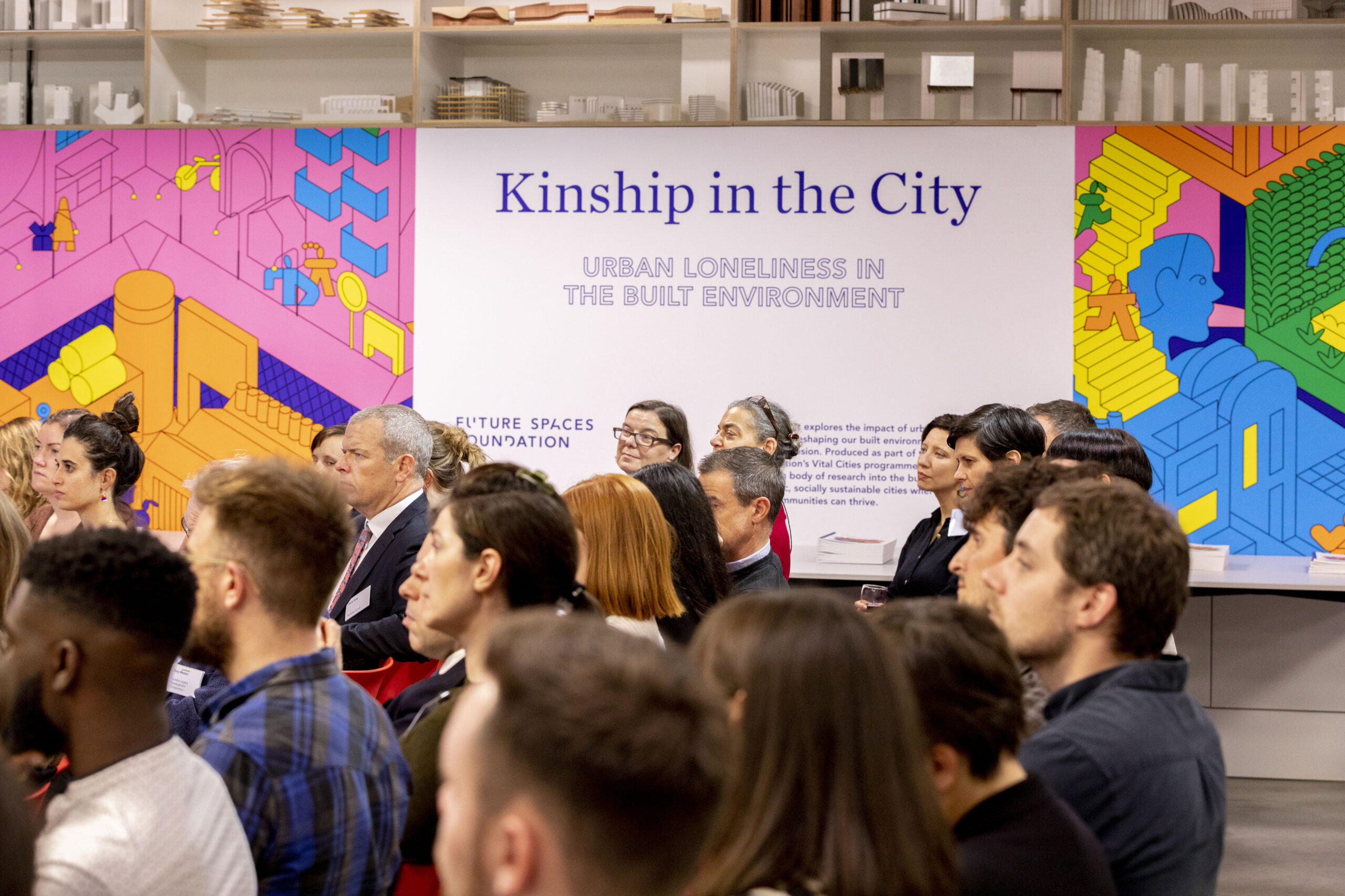
Make Neutral also contributes to campaigns with Make’s in-house research arm, the Future Spaces Foundation, and Exchange, our thought leadership series exploring the challenges and trends in the property industry. Outside the practice, members of the team advise industry groups like the NLA, WPA and BCO; teach at universities and architectural schools around the UK; and represent Make at conferences and in media. The impact of these efforts is reflected in the buildings we deliver, which are raising benchmarks for innovation in social and environmental sustainability across the UK and beyond.


Decarbonisation
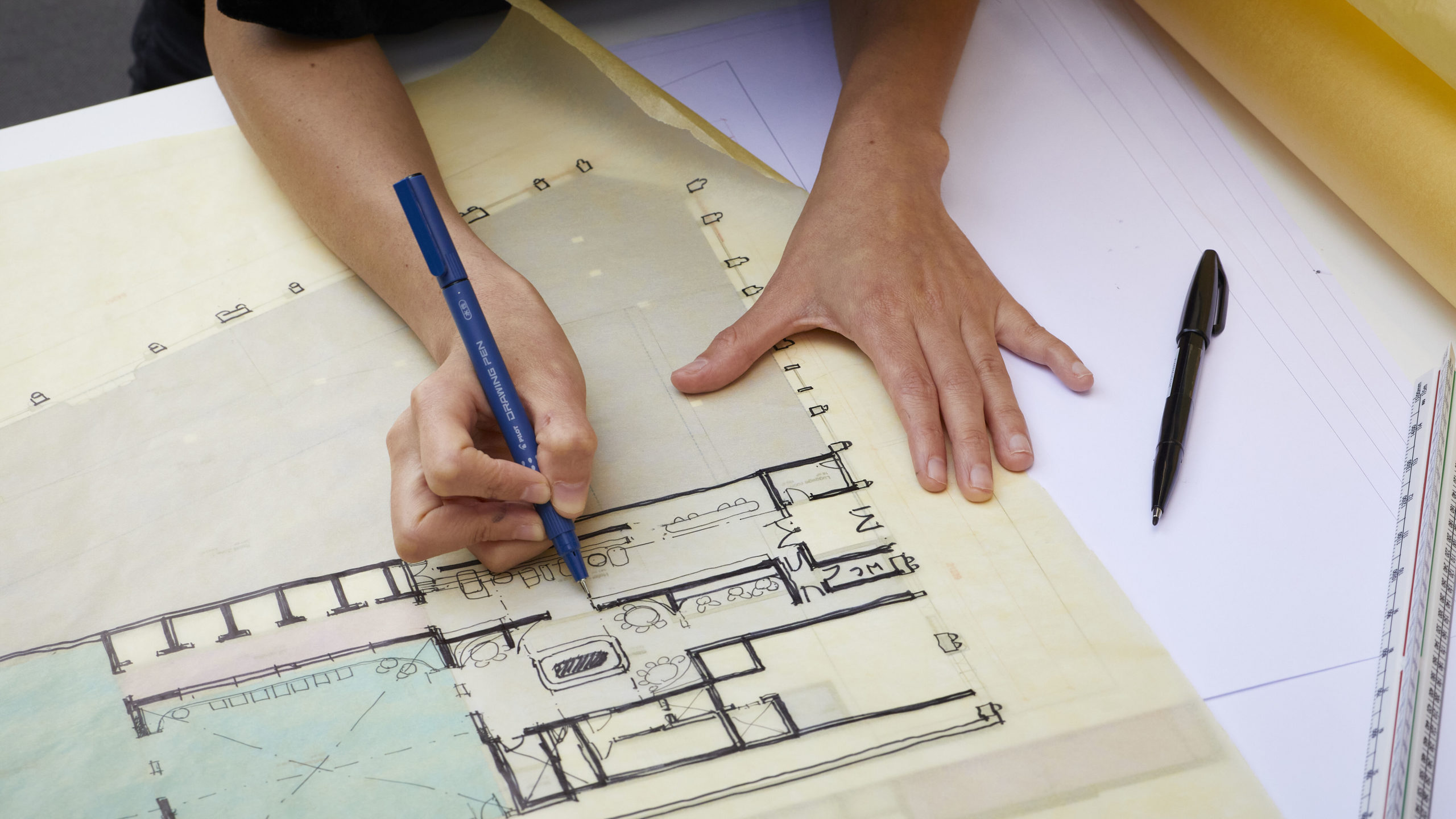
As leaders of the design process, Make advocates for all projects to target net zero carbon by 2030. Our sustainability specialists undertake a sustainability consultation on each project to analyse its daylight, whole-life carbon and climatic context and assess how to weave wellbeing, social impact and circular economy into the design. From here, we develop a bespoke decarbonisation strategy to explore the design implications of net zero operational and embodied carbon.
Our assessments start with embodied carbon, examining any opportunities for re-use and retrofit and prioritising the use of recycled, low-carbon, long-lasting materials and low-carbon construction practices. We advocate for re-use and light-touch architecture wherever possible, using a sliding scale of intervention to categorise levels of intervention for a given project, brief and budget.
We also seek to reduce operational carbon as much as possible to minimise the need for offsetting, and incorporate circular economy solutions to further curtail emissions and waste over a building’s lifespan. Low-embodied-carbon buildings designed for efficiency, performance and resilience lead the way to net zero.
Materials
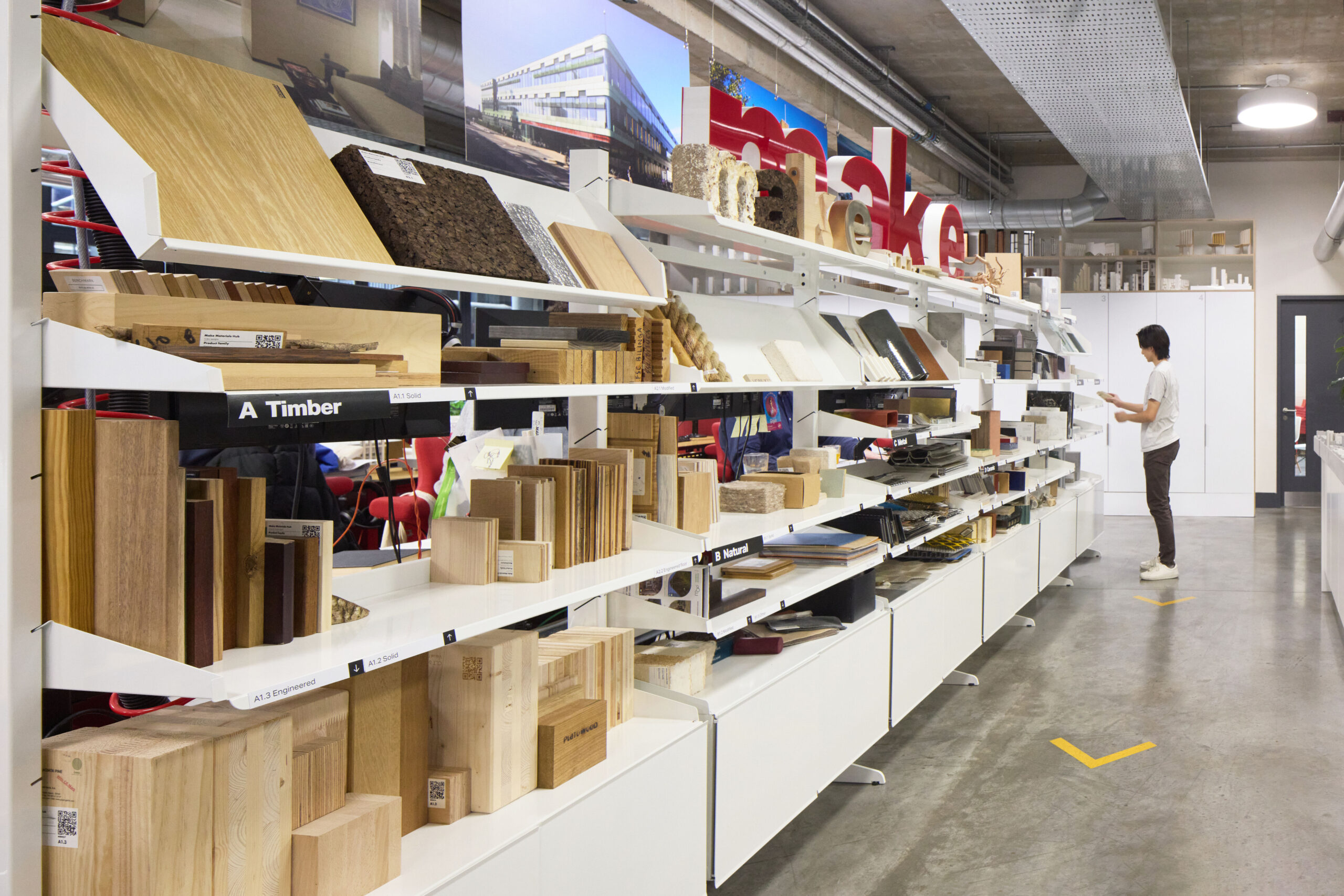
We take a proactive approach to materials selection, using our curated physical and digital materials library and gallery space – aka the Make Materials Hub – to track the latest materials technology developments and make informed decisions about circularity, embodied carbon and wellbeing. Designed to grow with the practice, and managed by Make Neutral in collaboration with Materials Council, the library has an emphasis on innovative products, such as recycled materials and biomaterials. As part of our approach, we run pre-demolition workshops to ensure any existing materials will be reused, and devise strategies to reduce the use of new materials, helping our design teams create resilient, future-proofed projects.


